A strategic guide for impact-driven executives on the most effective water interventions changing rural communities worldwide
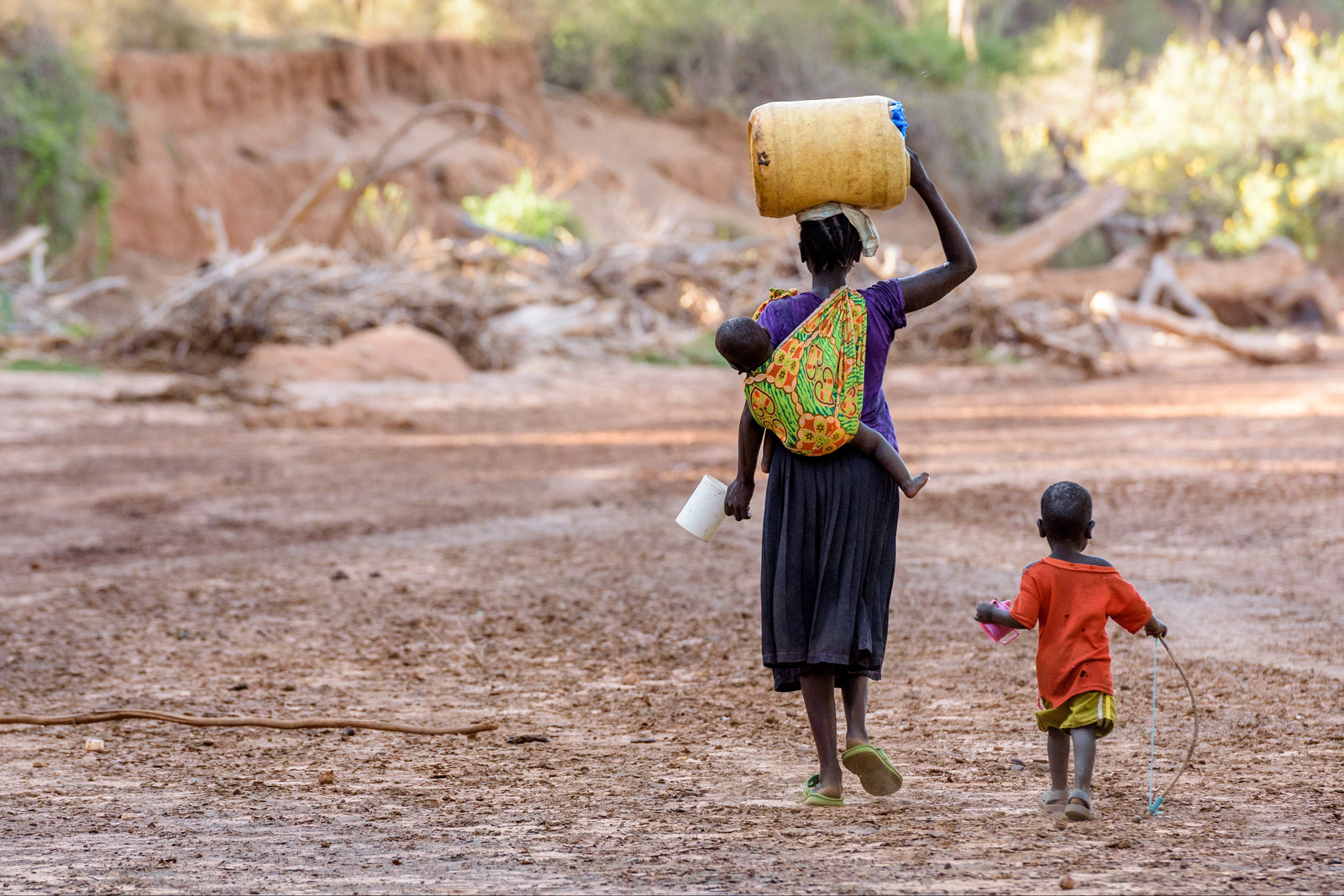
In the boardrooms of Fortune 500 companies and the executive suites of investment firms, sustainability has evolved from a buzzword to a business imperative. Yet for 703 million people worldwide, sustainability isn’t about corporate ESG metrics—it’s about surviving another day without clean water. As climate change intensifies and traditional water sources disappear, the most forgotten villages on Earth are experiencing a crisis that threatens not just individual lives, but global stability itself.
For sustainability-conscious leaders who understand that environmental justice and economic prosperity are inextricably linked, the water crisis represents both humanity’s greatest challenge and its most transformative opportunity. This isn’t just about charity—it’s about strategic investment in the foundation of human civilization.
The Hidden Economics of Water Scarcity
Climate Change: The Great Multiplier
Climate change is fundamentally reshaping the global water landscape, and nowhere is this more evident than in the rural communities that feed the world. According to recent climate data, changing precipitation patterns have left entire regions in prolonged drought, while others face devastating floods that contaminate existing water sources.
In Kenya’s Turkana County, where cattle herders have practiced sustainable grazing for millennia, three consecutive years of drought have forced families to abandon traditional sustainable products like livestock and traditional crafts, pushing them toward poverty elevation programs that often fail to address root causes. The economic impact ripples far beyond individual households—when rural communities collapse, urban centers face massive influxes of climate refugees, straining infrastructure and social systems.
The True Cost of Inaction
For executives accustomed to quantifying risk, consider these stark realities:
- Economic disruption: Water-stressed regions contribute to supply chain instability, affecting everything from agricultural commodities to manufacturing inputs
- Security implications: War ravaged regions often have water scarcity as an underlying factor, creating instability that affects global markets
- Health economics: Waterborne diseases cost developing economies billions annually in lost productivity and healthcare expenses
- Educational poverty: Children (especially girls) who spend hours collecting water cannot attend school, perpetuating cycles of poverty that limit economic development
The Dignity Revolution: When Water Changes Everything
Case Study: Mariam’s Transformation in Northern Ghana
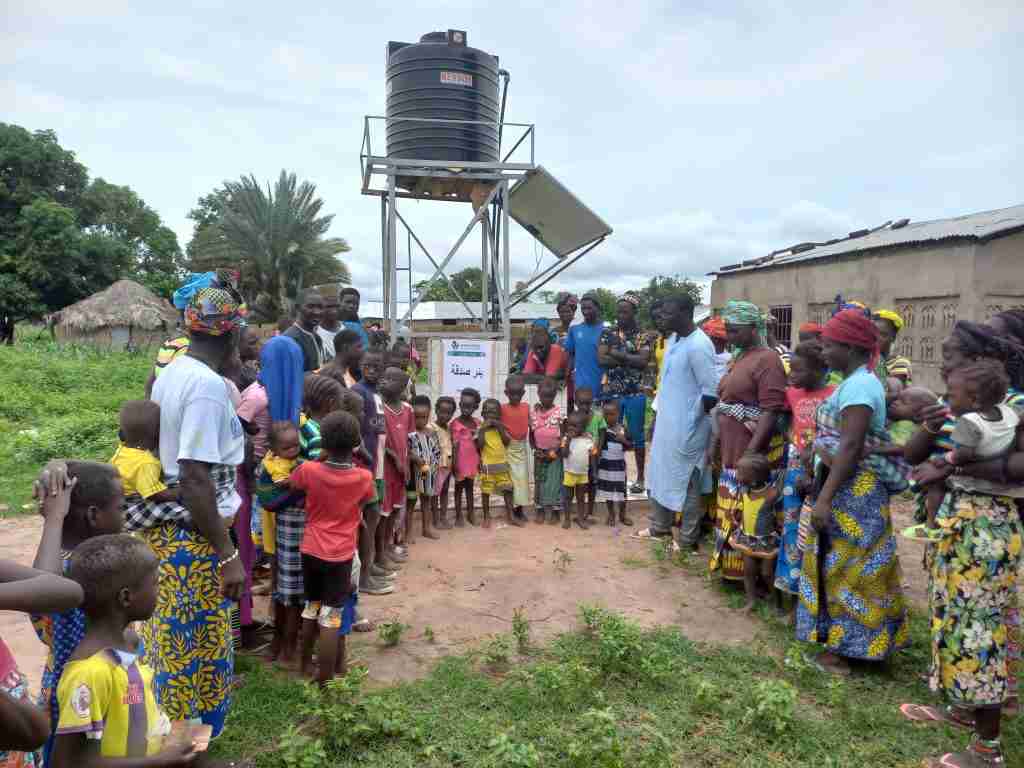
Mariam Alhassan’s story exemplifies how strategic water interventions create exponential returns on investment. Two years ago, this 34-year-old mother of four spent six hours daily walking to collect contaminated water from a seasonal pond. Today, she runs a thriving micro-enterprise selling green products made from local materials, employing three other women in her village.
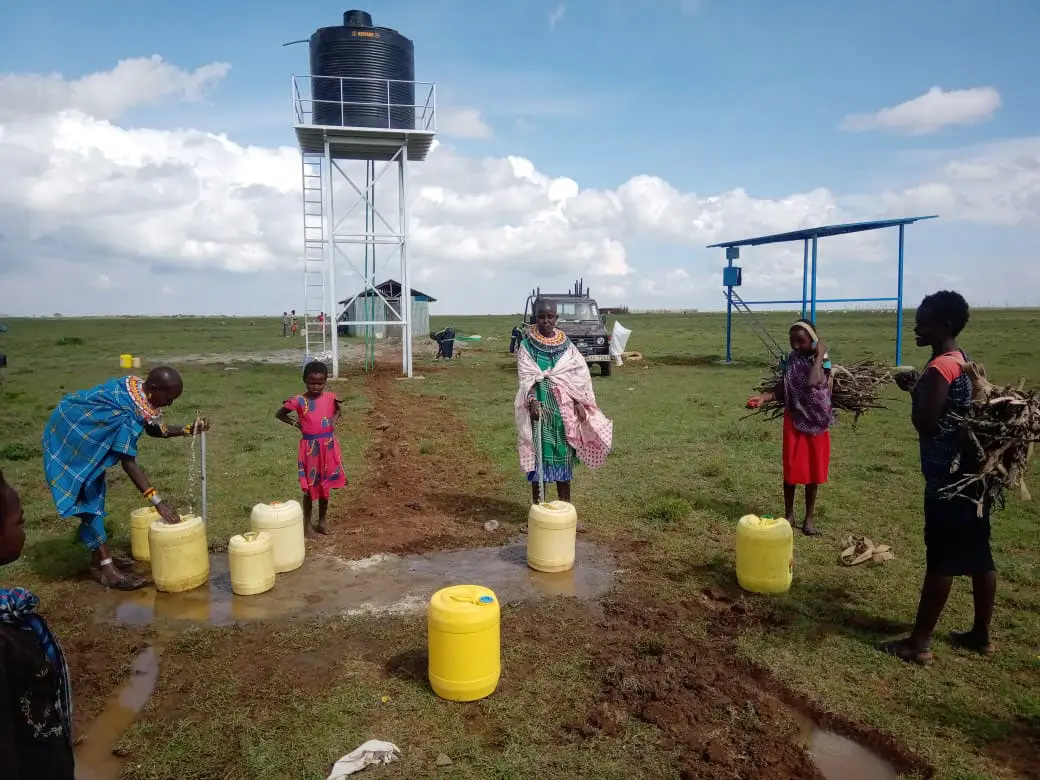
The transformation began when Global Executive Group Network partnered with local engineers to install a solar-powered water system just 200 meters from her home. The immediate impact was profound:
Time Liberation: The six hours previously spent on water collection became available for income-generating activities
Health Improvement: Waterborne illness rates in her family dropped by 89%, eliminating medical expenses that previously consumed 40% of household income
Educational Access: Her two daughters now attend school regularly, with the eldest ranking in the top 10% of her class
Economic Multiplication: Mariam’s newfound time allowed her to learn sustainable crafts, leading to monthly earnings that exceed her husband’s seasonal farming income
But the most significant change was psychological. “Before, I felt like I was just surviving,” Mariam explains. “Now I’m planning, dreaming, building something for my children’s future.”
The Ripple Effect: How One Well Transforms Entire Communities
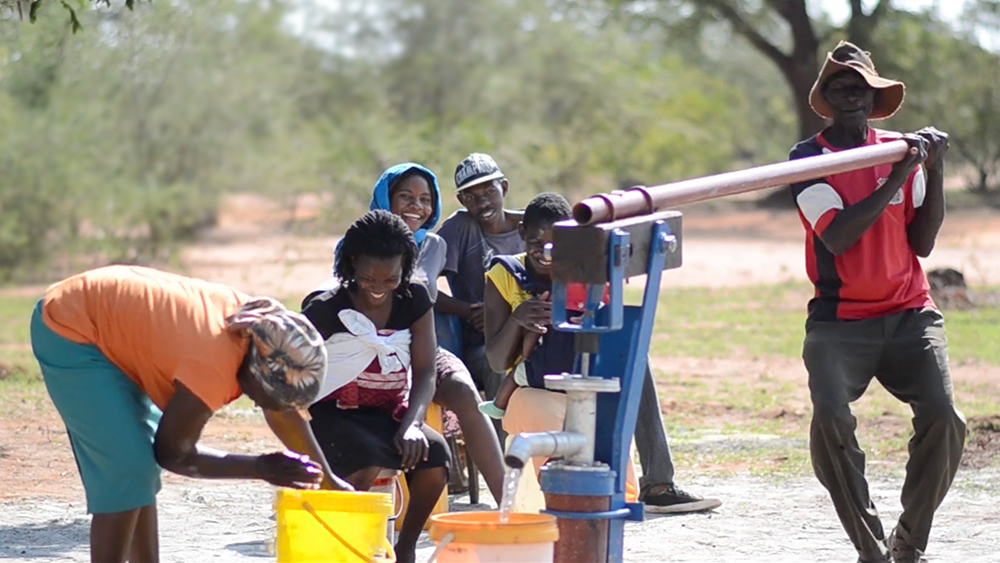
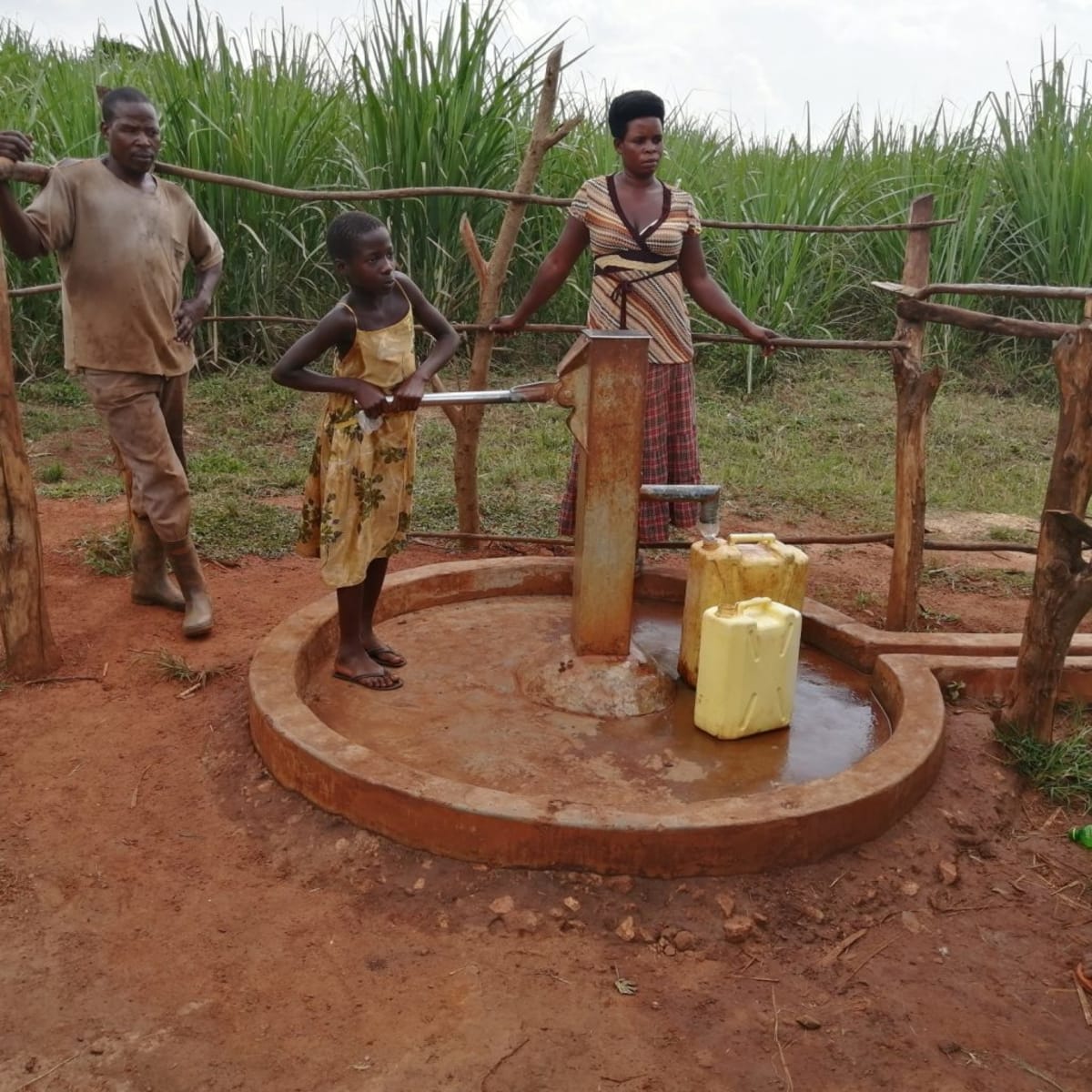
The transformation extends far beyond individual households. When communities gain reliable access to clean water, they experience what development economists call “dignity multipliers”—cascading positive changes that create sustainable development momentum:
Agricultural Renaissance: Farmers can irrigate kitchen gardens year-round, reducing dependence on expensive imported food and creating surplus for local markets
Women’s Economic Empowerment: Time previously spent on water collection enables women to participate in income-generating activities, often increasing household income by 25-40%
Educational Advancement: School attendance rates increase dramatically when children aren’t needed for water collection, with girls’ attendance showing the most significant improvement
Health System Strengthening: Reduced waterborne disease burden allows community health workers to focus on preventive care and treatment of other conditions
Social Cohesion: Shared water points become community gathering spaces, strengthening social bonds and collective decision-making capacity
The Technology Revolution: Sustainable Products Changing the Game
Solar-Powered Water Systems: The Game-Changer

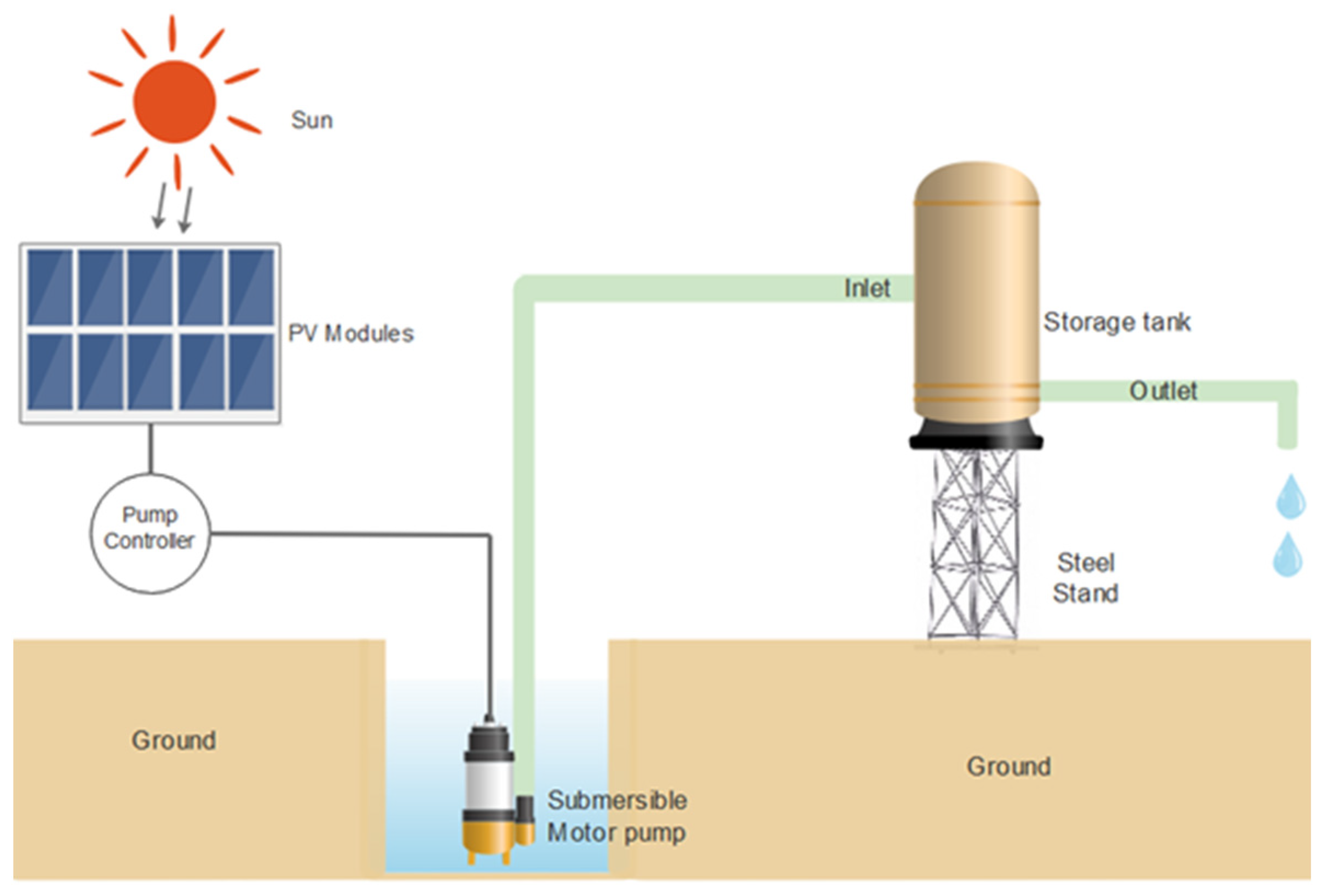
The latest generation of sustainable products for water access represents a quantum leap in effectiveness and cost-efficiency. Solar-powered water systems, equipped with smart monitoring technology, are transforming how we approach rural water access:
Reliability: Unlike diesel pumps that require constant fuel supplies and maintenance, solar systems operate independently for 20+ years with minimal maintenance
Scalability: Modern systems can serve communities of 500-2,000 people, with expandable capacity as populations grow
Smart Monitoring: IoT sensors provide real-time data on water quality, usage patterns, and system performance, enabling proactive maintenance and optimization
Economic Sustainability: After initial installation, operating costs are virtually zero, making systems economically viable for even the most remote communities
Environmental Impact: Zero carbon emissions during operation, with many systems offsetting their manufacturing carbon footprint within two years
Innovation in Water Treatment: Green Products Leading the Way
Advanced water treatment technologies are increasingly incorporating green products and sustainable materials:
Bio-sand Filters: Using locally available materials, these systems remove 99.9% of pathogens while requiring no electricity or replacement parts
Moringa Seed Treatment: This indigenous plant produces seeds that naturally purify water, providing a sustainable, locally-sourced treatment option
Ceramic Water Filters: Made from local clay and organic materials, these filters provide household-level water treatment with lifespans of 2-3 years
Constructed Wetlands: Engineered systems that use natural processes to treat contaminated water, creating both clean water and productive agricultural land
The Strategic Imperative: Why Smart Money is Moving to Water
ESG Performance and Water Security
For executives operating in the ESG (Environmental, Social, Governance) landscape, water security investments offer exceptional returns across all three metrics:
Environmental Impact: Water projects directly address climate adaptation, biodiversity conservation, and ecosystem restoration—key metrics in environmental reporting
Social Returns: Few interventions match water access for immediate, measurable social impact, providing concrete stories for stakeholder reporting
Governance Excellence: Water projects demonstrate long-term thinking, community partnership, and sustainable development—core governance principles
Portfolio Diversification Through Impact
Leading impact investors are recognizing water security as a non-correlated asset class that provides:
Recession Resilience: Water access remains essential regardless of economic cycles, providing stable impact returns
Currency Independence: Local water solutions reduce dependence on foreign currency for imported water or medical treatment
Inflation Protection: Water infrastructure provides long-term value that appreciates with inflation
Risk Mitigation: Stable water access reduces multiple risk factors including health crises, food shortages, and social unrest
The Leadership Moment: Strategic Philanthropy for Maximum Impact
The Charity: Water Model: Transparency at Scale
Leading water organizations have revolutionized philanthropic accountability through radical transparency. Charity: Water, which has funded over 186,000 water projects serving 20 million people, uses GPS tracking and photo documentation to prove every dollar’s impact. This model appeals to data-driven executives who demand the same accountability from their philanthropic investments as their business ventures.
Beyond Charity: Strategic Partnership Models
The most effective water interventions today operate as strategic partnerships rather than traditional charity models:
Corporate Social Responsibility Integration: Companies embed water projects into their supply chain sustainability programs, creating shared value for communities and businesses
Employee Engagement Programs: Staff-funded water projects create deep employee engagement while building company culture around social impact
Client Partnership Opportunities: Investment firms and consulting companies offer clients co-investment opportunities in water projects, deepening client relationships while creating impact
Board-Level Commitment: Company boards increasingly view water access as a strategic priority, allocating dedicated resources and oversight
The Scalability Challenge: From Villages to Global Impact
Addressing Food Shortages Through Water Security
Food shortages increasingly result from water scarcity rather than land availability. Strategic water investments address both issues simultaneously:
Agricultural Productivity: Reliable water access enables year-round farming, increasing yields by 200-400% in previously drought-prone areas
Nutritional Diversity: Kitchen gardens watered by clean sources provide fresh vegetables, dramatically improving childhood nutrition and reducing stunting
Market Integration: Surplus production connects rural communities to regional markets, creating sustainable income streams
Climate Resilience: Diversified water sources protect communities from increasingly unpredictable weather patterns
Systemic Change: Water as Development Infrastructure
The most successful water interventions create systemic change that extends far beyond individual projects:
Local Economy Stimulation: Water projects create demand for local labor, materials, and services, multiplying economic impact
Institutional Strengthening: Community water management builds local governance capacity and collective decision-making skills
Technical Capacity Building: Training local technicians creates skilled employment while ensuring long-term system sustainability
Regional Development: Successful water projects attract additional investment in health, education, and economic development
The Investment Case: ROI That Matters
Quantifying Social Returns
For executives accustomed to rigorous financial analysis, water investments offer measurable returns:
Health ROI: Every $1 invested in water and sanitation generates $5-46 in economic returns through reduced healthcare costs and increased productivity
Education ROI: Improved school attendance (especially for girls) generates lifetime earnings increases of 10-20% per additional year of education
Economic ROI: Women’s time liberation from water collection typically increases household income by 25-40% within the first year
Community ROI: Reduced conflict over water resources and improved social cohesion create stable environments for additional development investments
Risk-Adjusted Returns
Water investments offer exceptional risk-adjusted returns:
Low Technology Risk: Solar and filtration technologies are proven, with 20+ year track records and warranty protections
Political Stability: Water projects enjoy broad community support and political protection, reducing intervention risks
Climate Resilience: Diversified water sources provide protection against increasing climate variability
Scalability: Successful models can be replicated across regions with minimal adaptation costs
The Leadership Imperative: Your Role in the Water Revolution
Executive Action Framework
As a sustainability-conscious leader, you have multiple pathways to drive water transformation:
Direct Investment: Fund specific water projects with measurable, reportable impact
Corporate Integration: Embed water security into your company’s sustainability strategy and supply chain management
Network Leverage: Use your professional network to multiply investment and awareness
Board Advocacy: Champion water investments in board-level sustainability discussions
Thought Leadership: Share water security insights through LinkedIn, conferences, and industry publications
Starting Your Water Impact Journey
The path to water impact begins with a single strategic decision. Consider these immediate steps:
Due Diligence: Research water organizations with proven track records, transparent reporting, and scalable models
Pilot Investment: Start with a targeted investment in a specific community or region where you can track results
Measurement Strategy: Establish clear metrics for health, education, economic, and social impact
Scaling Plan: Develop a multi-year strategy for expanding impact based on initial results
Network Engagement: Share your water investment experience with peer executives and board members
The Transformation Imperative: Water as Global Security
Climate Adaptation Strategy
Water security represents the most critical component of global climate adaptation strategy. As traditional water sources become unreliable, communities with diversified, sustainable water systems will thrive while others face displacement and conflict.
Resilience Building: Water-secure communities can adapt to climate change while maintaining economic productivity and social stability
Migration Prevention: Reliable water access reduces climate-induced migration, preventing humanitarian crises and regional instability
Conflict Prevention: Water security eliminates a primary source of community and regional conflict
Economic Stability: Stable water access enables long-term economic planning and investment
The Moral Imperative for Global Leaders
For executives who have built careers on strategic thinking and resource optimization, the water crisis represents both a moral imperative and a strategic opportunity. The same analytical skills that drive business success can create transformational impact in water-stressed communities.
Leverage: Your financial resources, professional networks, and strategic thinking can multiply impact exponentially
Accountability: The same performance metrics that guide business decisions can ensure water investment effectiveness
Scale: Your understanding of systems thinking and scalability can help water solutions reach their full potential
Legacy: Water investments create lasting change that extends far beyond individual projects or business cycles
The Call to Action: Join the Water Revolution
Your Next Strategic Move
The water crisis demands the same urgent, strategic response that characterizes successful business leadership. This isn’t about charity—it’s about deploying capital, expertise, and networks to solve one of humanity’s most pressing challenges while creating measurable, sustainable impact.
Immediate Action: Visit geg-network.org to explore specific water projects that align with your impact goals and geographic interests
Strategic Partnership: Consider multi-year commitments that enable comprehensive community transformation rather than one-time interventions
Network Activation: Share this article with fellow executives, board members, and professional networks to multiply awareness and investment
Measurement Commitment: Establish clear KPIs for your water investments and commit to sharing results with your professional network
The Dignity Dividend
Every strategic water investment creates what we call a “dignity dividend”—returns that extend far beyond financial metrics to encompass human potential, community strength, and global stability. When you invest in water security, you’re not just solving a problem; you’re unleashing human potential that has been constrained by something as basic as access to clean water.

The transformation from drought to dignity isn’t just a humanitarian aspiration—it’s a strategic necessity for global stability and prosperity. In forgotten villages around the world, clean water is creating the foundation for sustainable development, economic growth, and human flourishing.
The question isn’t whether you can afford to invest in water security. The question is whether you can afford not to.
The water revolution is happening now. Your leadership can determine its scale and speed.
Join the Global Executive Group Network today and transform your strategic thinking into life-changing impact.
This article represents the collective insights of sustainability executives, water engineers, and impact investors who are actively creating systemic change in water-stressed communities worldwide. For regular updates on water security investments and impact opportunities, connect with the Global Executive Group Network on LinkedIn.
About the Author: This analysis was developed by the Global Executive Group Network Inc, a coalition of sustainability-focused executives deploying strategic resources to address critical environmental challenges. Learn more at geg-network.org.